
August 6, 2026
Water Heater Making Noise? (8 Sounds and What They Mean)
Water heater making noise is something most homeowners notice at some point, but knowing whether that sound is harmless or a warning sign is what separates a quick fix from an expensive repair. Different noises point to very different underlying conditions, and identifying the specific sound your water heater is making is the first step toward addressing it correctly. If your water heater has been making unusual sounds, this guide covers every common noise, what it means, and what to do about it. In this guide, we cover:
- Why water heaters make noise and when to be concerned
- The 8 most common water heater sounds and their causes
- Which issues are simple maintenance fixes and which require a professional
- How to extend your water heater’s lifespan with preventive care
- When noise signals it is time to replace the unit entirely
We’re proud to serve homeowners in Walkersville, MD, and nearby communities with water heater installation, replacement, and HVAC services, and more.
Why Water Heaters Make Noise
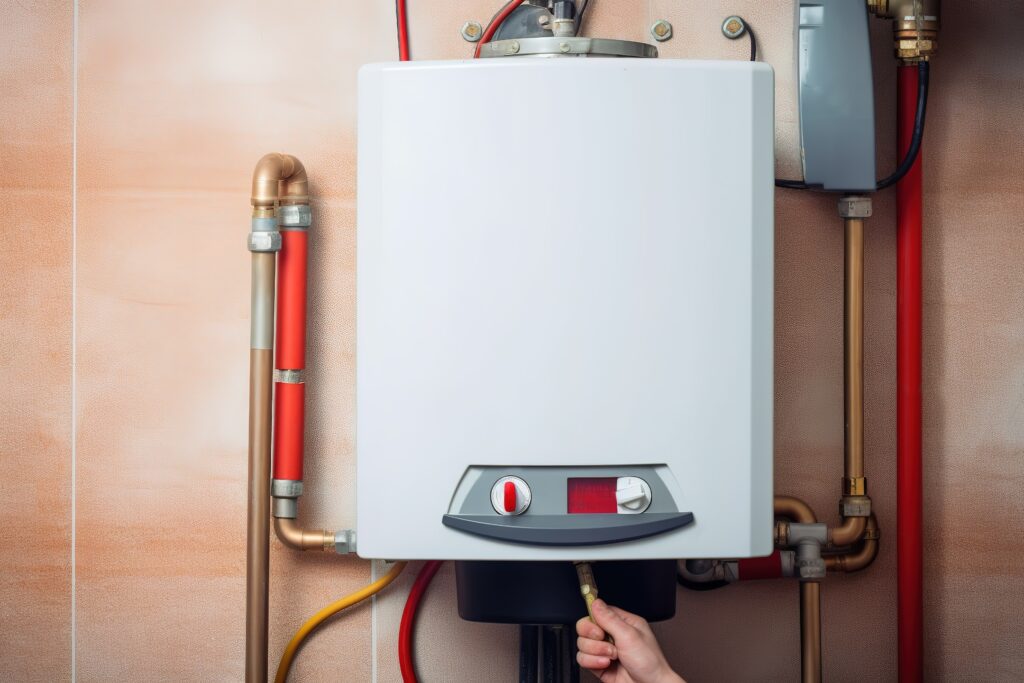
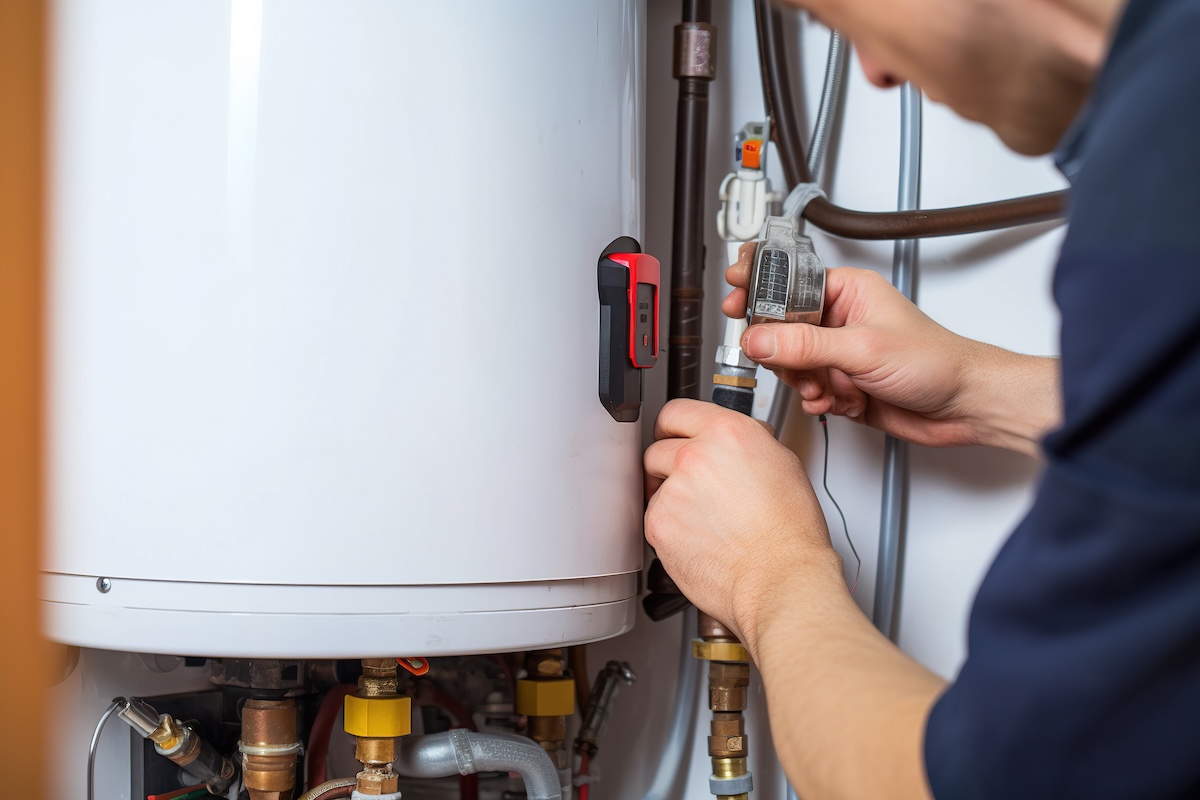
Not every sound coming from your water heater is cause for alarm. Some noises are a normal part of operation, particularly in tank water heaters where heating cycles cause metal components to expand and contract. Others are early warning signs of sediment buildup, pressure issues, or failing components that will only worsen without intervention. The key is knowing which is which so you can respond appropriately rather than either ignoring a real problem or worrying unnecessarily about normal operation.
8 Water Heater Sounds and What They Mean
Not every noise calls for the same response. Some of the sounds below are simple maintenance issues you can address yourself, while others point to conditions that require a licensed plumber or HVAC technician. Working through this list with your specific sound in mind will help you determine the right next step quickly.
1. Popping or Rumbling
Popping and rumbling are the most common water heater noises homeowners report, and in almost every case they point to sediment buildup on the bottom of the tank. Over time, minerals from hard water settle and accumulate on the tank floor and heating element. As the burner or electric element heats water trapped beneath that sediment layer, it produces the popping and rumbling sounds you hear.
- Why it matters: Sediment buildup forces the heating element to work harder, reduces energy efficiency, and accelerates tank wear. Left unaddressed, it shortens the water heater’s lifespan significantly.
- How to fix it: Flushing the tank annually removes sediment before it accumulates to problematic levels. A professional can flush the tank and inspect the anode rod during a routine maintenance visit.
- Prevention: Flushing your water heater once per year is the single most effective step for preventing sediment-related noise and extending tank life.
2. Hissing
A hissing sound from a tank water heater almost always indicates water contacting a surface it should not be touching, typically a hot heating element in an electric water heater or a leak allowing water to drip onto a hot component. It can also occur when the pressure relief valve releases a small amount of water.
- Electric water heater: A hissing sound in an electric unit often means the heating element has scale buildup or is beginning to fail. A technician can test and replace the element if needed.
- Leak-related hissing: Inspect the area around the tank, connections, and pressure relief valve for signs of moisture. Even a minor leak should be investigated promptly to prevent water damage.
- Pressure relief valve: A brief hiss during or after a heating cycle can indicate the T&P valve is releasing pressure normally, but persistent hissing from the valve warrants professional inspection.
3. Banging or Knocking
Banging or knocking sounds from a water heater are often related to water hammer, a pressure surge that occurs when water flow is suddenly stopped or redirected in the plumbing system. It can also result from loose pipes that knock against framing or other surfaces when water pressure fluctuates.
- Water hammer: Installing a water hammer arrestor on the supply line near the water heater dampens the pressure surge and eliminates the banging in most cases.
- Loose pipes: Securing pipes with additional hangers or cushioned clamps prevents them from knocking against structural elements during pressure changes.
- Sediment: Severe sediment buildup can also produce a banging sound as steam bubbles form and collapse beneath the sediment layer, similar to the popping described above but more pronounced.
4. Screaming or Whistling
A high-pitched screaming or whistling sound from your water heater is almost always a pressure or flow restriction issue. This sound typically originates from a valve that is not fully open, a partially closed inlet valve, or a failing pressure relief valve struggling to manage system pressure.
- Check the inlet valve: Confirm the cold water inlet valve is fully open. A partially closed valve creates turbulence and whistling as water forces its way through the restriction.
- Pressure relief valve: A T&P valve that whistles persistently may be responding to genuinely high pressure in the tank, which is a condition that requires immediate professional attention to prevent over pressurization.
- Expansion tank: Homes with a closed plumbing system and no expansion tank are particularly prone to pressure-related whistling. Adding an expansion tank absorbs thermal expansion and protects the entire system.
5. Ticking or Tapping
Light ticking or tapping sounds from a water heater are generally the least concerning noise on this list. They most commonly result from the normal expansion and contraction of metal pipes and the tank itself as temperatures rise and fall during heating cycles.
- Normal operation: In most cases, ticking and tapping are entirely harmless and require no action. They tend to be more noticeable in homes with copper pipes, which expand more noticeably than other pipe materials.
- Check pipe straps: If the ticking is loud or irregular, confirm that nearby pipe straps and hangers are secure. A loose strap can allow a pipe to tick against a wall or framing member more noticeably than normal thermal movement would produce.
6. Crackling or Sizzling
Crackling and sizzling sounds are most common in electric water heaters and typically point to scale buildup on the heating elements. As mineral deposits coat the element surface, they create resistance and uneven heating that produces crackling sounds during operation.
- Why it happens: Hard water deposits calcium and magnesium on the heating elements over time, particularly in areas like Walkersville where water hardness can vary significantly across neighborhoods.
- How to fix it: A technician can descale or replace the heating elements and flush the tank to remove accumulated mineral deposits. Regular anode rod inspection also helps manage scale over the long term.
- Electric vs. gas: Crackling is almost exclusively an electric water heater issue. If you have a gas unit and hear crackling, it is more likely sediment-related and the tank should be flushed.
7. Rumbling From the Flue or Venting
If you have a gas water heater and hear rumbling or roaring that seems to come from the flue or venting system rather than the tank itself, combustion airflow may be the issue. Improper combustion, a blocked flue, or a malfunctioning burner can all produce sounds in the venting system that are distinct from tank-related noises.
- Blocked flue: Debris, bird nests, or corrosion inside the flue pipe restricts exhaust airflow and can produce rumbling or roaring during burner operation. This is also a carbon monoxide risk that requires immediate professional attention.
- Burner issues: A dirty or misaligned burner produces uneven combustion that sounds different from normal burner operation. Annual gas water heater maintenance includes burner inspection and cleaning.
- When to act: Any noise that seems to originate from the flue or combustion chamber of a gas water heater warrants professional inspection rather than a wait-and-see approach.
8. Popping From the Pipes After Shutdown
Some homeowners notice popping or cracking sounds in the pipes connected to the water heater after the heating cycle ends rather than during operation. This is typically thermal contraction as hot pipes cool and return to their resting size, and it is generally normal behavior.
- Normal contraction: Copper and CPVC pipes are particularly prone to audible contraction sounds after a heating cycle. If the sounds are consistent and not accompanied by other symptoms, no action is needed.
- When to investigate: If the popping after shutdown is accompanied by visible moisture, water stains near pipe connections, or a drop in hot water pressure, a slow leak may be developing and should be inspected.
Quick Reference: Water Heater Sounds and Causes
| Sound | Most Likely Cause | Action Needed |
| Popping or rumbling | Sediment buildup | Flush the tank |
| Hissing | Leak or failing element | Inspect and repair |
| Banging or knocking | Water hammer, loose pipes | Arrestor or pipe clamps |
| Screaming or whistling | Pressure or valve issue | Professional inspection |
| Ticking or tapping | Normal thermal expansion | Usually none |
| Crackling or sizzling | Scale on heating element | Descale or replace element |
| Flue rumbling | Combustion or blockage issue | Professional inspection |
| Post-shutdown popping | Normal pipe contraction | Usually none |
Frequently Asked Questions About Water Heater Noise

Homeowners dealing with an unusually noisy water heater often have similar questions about what is normal, what is not, and how urgently they need to act. Here are clear answers to the ones we hear most often.
Is it normal for a water heater to make noise?
Some noise during normal operation is expected. Light ticking, brief hissing at the end of a heating cycle, and occasional popping during heating are all within the range of normal behavior for a tank water heater. Persistent or loud noises, particularly rumbling, banging, screaming, or sounds from the flue of a gas unit, are worth investigating promptly.
How do I know if my water heater noise is serious?
Noise that is new, getting louder over time, or accompanied by other symptoms like reduced hot water output, visible moisture, or higher energy bills is more likely to indicate a real problem. A water heater that has been noisy for years without other symptoms is less urgent than one that has recently developed a new sound alongside declining performance.
Can sediment damage my water heater permanently?
Yes, over time. Severe sediment accumulation accelerates corrosion of the tank lining, reduces heating efficiency, and can eventually cause the tank to fail prematurely. According to the Water Quality Association, water heater components in hard water areas deteriorate significantly faster than those in homes with treated water. Annual flushing is the most effective way to prevent sediment from shortening your water heater’s lifespan.
How often should I flush my water heater to prevent noise?
Most water heater manufacturers recommend flushing the tank annually. In areas with harder water, some homeowners benefit from flushing twice per year. Regular flushing removes sediment before it compacts into a layer thick enough to cause popping, rumbling, and the accelerated wear that comes with it.
When should a noisy water heater be replaced rather than repaired?
If your water heater is more than 10 years old, making persistent noise despite maintenance, and showing other signs of decline like rust-colored water or inconsistent heating, replacement is likely the more cost-effective path. A technician can assess whether the underlying cause of the noise is repairable or whether the unit has reached the point where continued investment no longer makes sense.
Quiet the Noise With Smock HVAC

A noisy water heater is your system’s way of telling you something needs attention, and the sooner you identify the cause, the more options you have for addressing it affordably. Whether your water heater needs a flush, a component repair, or a full replacement, Smock’s team helps Walkersville homeowners get clear answers and lasting results without the guesswork.
Talk to our team about your water heater and find out exactly what it needs to run quietly and efficiently again.